News & Insights
A gearbox plays a critical role in heavy-duty trucks by transferring engine power and adjusting speed and torque to match different driving conditions. For commercial trucks operating in construction sites, mines, logistics, and long-distance transportation, gearbox reliability directly impacts vehicle uptime and operating costs.
Because the gearbox is composed of multiple interconnected components, the condition of each part can significantly affect the overall transmission performance. Therefore, for customers searching for FAST gearbox parts, understanding the basic FAST gearbox parts can help identify which component may be failing, communicate more effectively with suppliers, or select the right replacement option.
This article explains the main FAST transmission parts, their functions, and how to select the correct components when maintaining or repairing heavy trucks.

FAST AT-F7A140/180 gearbox for heavy-duty trucks
FAST gearbox models, such as popular series like 9JS, 12JS, and 16JS, have different specifications. Even with the differences, most of them share similar internal layouts, where main parts work together to transfer power well and keep the gear shifts smooth.

Main FAST gearbox parts including gears, shafts, synchronizers, bearings, and housing components
Gear sets are the most important working components inside a gearbox. They control the relationship between speed and torque by using different gear ratios.
In a heavy-duty truck transmission, gears allow the truck to generate higher pulling force at low speed, as well as maintain efficient driving performance during high-speed operation.
For FAST gearbox parts, gear sets must match the precise transmission model, as different versions may use different gear ratios and handle different loads. Choosing the incorrect gears can affect shifting performance and shorten the service life of the gearbox.
Shafts connect the different parts of a gearbox and transfer rotational power along the drivetrain. In a heavy-duty FAST gearbox, several shafts cooperate to receive, distribute, and deliver torque during vehicle operation.
The main shaft gets power from the gear system and delivers output to the vehicle drivetrain, while the counter shaft supports gear meshing and helps distribute torque.
Common shaft components in FAST transmissions include:
l Input shaft
l Main shaft
l Counter shaft
Because heavy trucks often operate under high loads, shaft wear or damage may lead to abnormal noise, vibration, or unstable power transmission.
Reliable shafts are therefore essential parts of FAST transmission systems, especially for trucks operating in demanding environments.
The synchronizer helps align the rotational speeds between gears before engagement. It allows drivers to shift gears smoothly without excessive impact between components.
When synchronizers become worn, common symptoms include:
l Difficulty engaging gears
l Grinding sounds during shifting
l Gear jumping under load
For repair businesses and fleet operators, replacing worn synchronizer components at the right time can help prevent further gearbox damage.
Bearings support rotating shafts and reduce friction where parts rub. In addition, they also help maintain proper alignment between gears and shafts.
During long-term operation, worn bearings may cause:
l Increased gearbox noise
l Excessive vibration
l Abnormal temperature rise
For the gearbox to function properly, the bearings need to work together with other supporting components. For example, seals and lubrication-related parts can help prevent oil leakage and keep dirt and other contamination away from the internal parts.
It is important for maintaining transmission reliability to choose suitable FAST gearbox parts, including bearings and sealing components.
The gearbox housing can act like a guard for the internal parts and help keep gears, shafts, and bearings in the right place.
A proper lubrication setup is equally important because gearbox oil cuts down on friction, moves heat away, and reduces damage between metal parts.
Therefore, in areas with high temperature, dust, or when the load is very high, checking the oil condition on a regular schedule can extend component service life.
A gearbox is an integrated system, not merely a collection of separate components. The clutch shaft transfers engine power into the transmission. The gear sets adjust speed and torque, while shafts transmit power. Bearings help maintain smooth rotation.
When one part breaks, it may affect other internal parts. For instance, if bearings are damaged, the shaft can end up misaligned. If gears are worn, they can place additional strain on synchronizers.
Therefore, when purchasing FAST gearbox parts, buyers should make sure to provide accurate details, including the gearbox model, truck model, part number, and photos of the damaged parts. This allows suppliers to verify compatibility and lower the chance of ordering the wrong items.

Internal structure of FAST gearbox
For overseas buyers, choosing the right supplier is as important as selecting the right component. A reliable supplier should be able to provide product verification, match the model you need, and support on-time shipping .
Jinan Zhixing Tianxia Auto Parts Co., Ltd. specializes in heavy truck parts supply and provides FAST gearbox parts for global customers. The company supplies FAST gearbox assemblies and related components while supporting customers with product confirmation and sourcing solutions.
For buyers who need multiple truck components, RAgreat also provides solutions for heavy-duty truck parts, including transmission, engine, cab, and chassis-related products.
Before requesting a quotation, prepare:
l Truck brand and model
l Gearbox model (such as FAST 9JS, 12JS, or 16JS)
l Production year
l Part number
l Product photos
l Required quantity

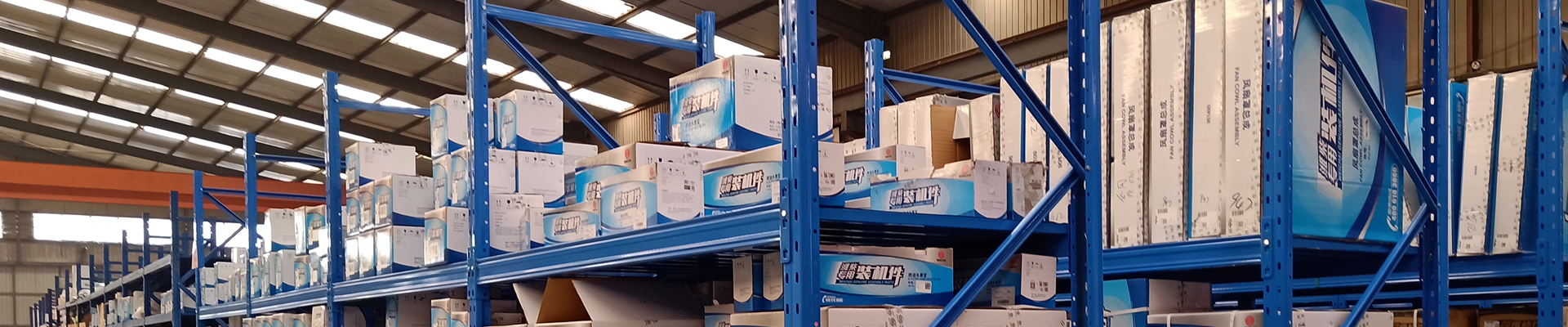
FAST gearbox parts warehouse with transmission assemblies and components
RAgreat provides FAST gearbox components and heavy truck parts solutions for international customers.
Send us:
l Truck model
l Gearbox model
l Part number
l Product photos
l Quantity requirements
Our team can help verify the correct parts and provide a suitable supply solution.
Yes, FAST gearboxes are widely used in heavy-duty commercial vehicles and are designed for high-load applications such as construction trucks, mining vehicles, and long-distance transportation.
The reliability of a FAST gearbox mainly depends on three factors: correct model selection, proper operation, and regular maintenance. Components such as gears, shafts, synchronizers, and bearings must work together properly to ensure stable power transmission.
For overseas buyers sourcing FAST gearbox parts, choosing components that match the original gearbox model is important because incorrect parts may affect shifting performance, durability, and overall transmission reliability.
2. What is the recommended maintenance procedure for a gearbox?
Regular gearbox maintenance mainly focuses on lubrication, inspection, and early fault detection.
Recommended maintenance procedures include:
l Checking gearbox oil level regularly and confirming there is no oil leakage;
l Using the correct lubricant according to gearbox specifications;
l Replacing transmission oil according to the manufacturer's maintenance requirements;
l Inspecting for abnormal noise, vibration, temperature rise, or shifting problems;
l Checking seals, bearings, and other wearing components during overhaul.
For example, FAST transmission maintenance instructions emphasize maintaining correct oil levels, using suitable gear oil, and performing regular inspections to improve transmission reliability and service life.
Proper lubrication is especially important because transmission oil helps reduce friction, control temperature, and protect internal components from wear.
3. Can a gearbox be repaired?
Yes, many gearbox problems can be repaired instead of replacing the complete assembly.
The repair method depends on the damage condition. If only specific components are worn, technicians may replace individual parts such as:
l Gears
l Bearings
l Synchronizers
l Shafts
l Seals
However, if the gearbox housing, multiple gear sets, or major internal components are severely damaged, replacing the complete gearbox assembly may be a more practical solution.
A professional repair process usually includes inspection, failure analysis, replacement of damaged components, reassembly, and testing to confirm proper operation.
4. What is the lifespan of a gearbox?
The service life of a gearbox depends on several factors, including:
l Operating load;
l Driving conditions;
l Maintenance frequency;
l Lubrication quality;
l Quality of replacement parts.
A gearbox used under heavy loads, such as mining or construction operations, may experience faster wear than one operating under normal transport conditions.
Regular maintenance and timely replacement of worn components can significantly extend gearbox service life. In contrast, insufficient lubrication, overloading, or delayed repairs may accelerate damage to gears, bearings, and shafts.
For this reason, there is no fixed lifespan that applies to every FAST gearbox. Condition monitoring and maintenance records are more reliable indicators than mileage or operating years alone.
5. How to tell if a gearbox is blown?
A severely damaged gearbox usually shows several warning signs before complete failure.
Common symptoms include:
l Grinding or abnormal operating noise;
l Difficulty engaging gears;
l Gear slipping or jumping out of gear;
l Excessive vibration;
l Oil leakage;
l Overheating during operation.
These symptoms may indicate problems with internal components such as gears, bearings, synchronizers, or lubrication systems.
If a gearbox shows serious symptoms, continued operation may cause additional damage. It is recommended to inspect the gearbox as soon as possible and determine whether repair or replacement is required.
1. Lawler Gear – What Are the Four Main Components of a Gearbox?


