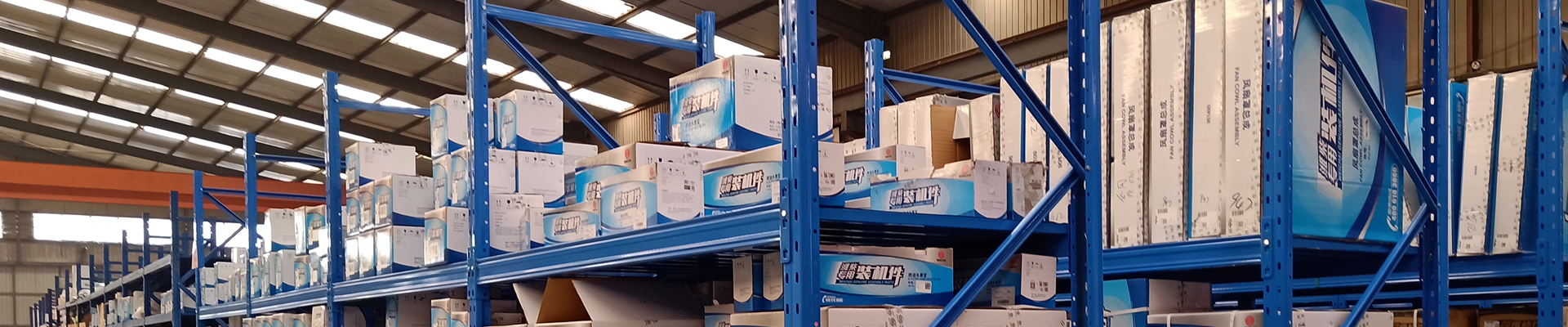
Fleet operators managing heavy-duty trucks, construction vehicles, and mining equipment face a constant operational objective: maximize uptime while controlling maintenance cost. Engine reliability is central to this objective.
A structured supply of Original Weichai Diesel Engines plays a strategic role not only in new vehicle procurement but also in long-term fleet maintenance planning, overhaul cycles, and replacement programs.
Manufactured by Weichai Power, original factory-built engines are widely deployed in heavy-duty platforms across global export markets.
For verified engine supply and technical support, visit:Original Weichai Diesel Engines
Professional fleet maintenance is based on:
Preventive maintenance scheduling
Overhaul cycle planning
Component life monitoring
Replacement forecasting
When engines are sourced through authorized channels, fleet managers gain:
Accurate engine serial traceability
Official technical specifications
Standardized maintenance parameters
Access to genuine overhaul kits
This enables data-driven maintenance decisions rather than reactive repair under emergency conditions.
In heavy-duty fleets operating in:
Long-haul logistics
Mining transportation
Infrastructure construction
Cross-border freight
Unplanned engine failure can result in:
Delivery delays
Contract penalties
Increased labor cost
Asset underutilization
Authorized supply of original Weichai diesel engines allows fleet operators to:
Pre-stock replacement engines
Schedule engine swaps during low-demand periods
Reduce mean time to recovery (MTTR)
Maintain consistent fleet availability
Engine replacement planning is especially critical for high-utilization trucks equipped with platforms from:
SINOTRUK
SHACMAN
FAW
Large fleets often operate multiple units of the same engine model, such as WD615 or WP-series engines. Standardization provides:
Simplified spare parts inventory
Technician familiarity
Reduced diagnostic time
Predictable overhaul intervals
Using original engines ensures:
Consistent calibration
Identical torque curves
Verified component compatibility
Non-standard rebuilt engines introduce variability that complicates maintenance planning and increases troubleshooting time.
Effective fleet maintenance requires coordinated supply of:
Fuel injectors
Turbochargers
Filters
Pistons and liners
Gaskets and seals
Authorized engine suppliers typically integrate:
Complete engine units
OEM replacement components
Technical documentation
This integrated supply chain reduces risk of mixing incompatible components, which can lead to premature wear or performance degradation.
Learn more about verified sourcing here:Original Weichai Diesel Engines
Fleet operators increasingly evaluate engines based on total lifecycle cost rather than initial purchase price.
Key lifecycle factors include:
Fuel consumption
Service interval length
Overhaul cost
Parts availability
Residual resale value
Original Weichai diesel engines support lifecycle cost control by offering:
Stable combustion efficiency
Reliable torque under load
Structured overhaul packages
Recognized resale acceptance in secondary markets
This predictability allows procurement managers to forecast operating budgets with greater accuracy.
In emerging markets, maintenance challenges may include:
Limited diagnostic infrastructure
Variable fuel quality
High ambient temperature
Dust-intensive operating conditions
Original engines provide:
Factory-calibrated fuel systems
Durable structural components
Verified emission configuration
Access to official technical guidance
By contrast, unauthorized rebuilt engines often lack documentation, calibration consistency, and warranty support—creating long-term operational risk.
Preventive maintenance programs depend on:
Clear service intervals
Component replacement guidelines
Torque and calibration data
Overhaul specifications
Authorized sourcing ensures access to:
Official service manuals
Technical bulletins
Updated engine configuration data
This supports structured maintenance systems rather than informal repair practices.
Heavy-duty trucks represent significant capital investment. Engine condition directly affects:
Fleet availability rate
Operational profitability
Equipment resale value
Investor and financing confidence
Maintaining fleets with original factory-built engines protects:
Mechanical integrity
Documentation traceability
Warranty eligibility
Brand value perception in resale markets
For fleet-scale operators, engine authenticity is a strategic asset, not merely a component specification.
Supporting fleet maintenance requires more than access to spare parts—it requires structured engine supply, technical traceability, and lifecycle planning.
Original Weichai Diesel Engines provide:
Verified factory configuration
Maintenance predictability
Spare parts ecosystem integration
Reduced downtime risk
Controlled lifecycle cost
For fleet operators managing heavy-duty trucks, construction vehicles, and mining transport fleets, authorized engine supply is a foundational element of sustainable operations.
For technical consultation and verified export supply:Original Weichai Diesel Engines
